
The four fundamental consumer rights are the right to safety, the right to be informed, the right to choose, and the right to be heard. First codified by President John F. Kennedy in 1962, these protections have evolved from physical marketplace safeguards into essential digital shields that govern how companies collect your data, secure your transactions, and respond when breaches occur.
In the cybersecurity landscape of 2026, these rights carry unprecedented weight. Every online purchase, account creation, and data exchange falls under their protection, yet most consumers don’t realize they can demand transparency about data handling practices, refuse companies that fail to implement adequate security measures, select services based on privacy standards, and file formal complaints when digital rights are violated.
Understanding these rights isn’t theoretical. When a retailer suffers a data breach, your right to be informed determines whether you receive timely notification. When comparing cloud storage providers, your right to choose empowers you to reject services with inadequate encryption. When facing unauthorized charges after a phishing attack, your right to be heard provides legal recourse through consumer protection agencies and regulatory bodies.
This knowledge gap creates real vulnerability. Security professionals regularly encounter cases where individuals unknowingly waived critical protections by accepting terms they didn’t understand, or failed to report violations because they didn’t know regulatory frameworks existed to support them. The Consumer Protection Act, GDPR, and similar regulations codify these four rights with enforcement mechanisms, but enforcement requires informed consumers who recognize when violations occur and know which authorities have jurisdiction over digital commerce disputes.
Understanding the Four Consumer Rights Framework
When President John F. Kennedy addressed Congress in 1963, he outlined four fundamental consumer protections that would reshape marketplace relationships for generations. Kennedy’s 1962 Consumer Bill of Rights established that consumers have the right to safety, the right to be informed, the right to choose, and the right to be heard. These principles emerged from a physical marketplace where faulty products, misleading advertising, and monopolistic practices threatened consumer welfare.
Six decades later, the same framework underpins digital consumer protection, though the threats have evolved dramatically. Where Kennedy’s era grappled with unsafe automobiles and mislabeled food, today’s consumers face data breaches, identity theft, algorithmic manipulation, and surveillance capitalism. The core rights remain unchanged, but their application has expanded to encompass data security, privacy disclosures, digital service choices, and complaint mechanisms for online harm.
Modern regulations like GDPR, CCPA, and sector-specific cybersecurity standards have translated Kennedy’s vision into enforceable digital protections. These laws don’t replace the original framework but extend it into cloud storage, mobile apps, social platforms, and e-commerce transactions where the stakes involve not just financial loss but permanent compromise of digital identity.
Right to Safety: Protection from Online Threats

Regulatory Protections and Security Standards
When businesses operate online, they’re not free to implement whatever security measures they deem convenient. Instead, they must meet baseline protections codified in laws that recognize your fundamental right to safety in digital transactions.
The General Data Protection Regulation (GDPR) in the European Union sets some of the strictest security requirements globally. Under GDPR Article 25, companies must implement data protection by design and by default, meaning security can’t be an afterthought bolted onto systems later. The regulation mandates encryption of personal data, regular security testing, and documented risk assessments. When breaches occur, the GDPR Article 33 breach notification requirement forces companies to report incidents to supervisory authorities within 72 hours, ensuring swift consumer protection and accountability.
In the United States, the California Consumer Privacy Act (CCPA) establishes a statutory damages framework that empowers consumers financially. If a business fails to implement reasonable security measures and suffers a breach, affected consumers can recover between $100 and $750 per incident, regardless of whether they can prove actual harm. This provision transforms security from a best practice into a legal imperative with teeth.
Beyond legislation, industry-specific standards create additional layers of protection. The Payment Card Industry Data Security Standard (PCI DSS) requires any organization handling credit card information to maintain firewalls, encrypt transmission of cardholder data, and regularly update antivirus software. Healthcare providers must comply with HIPAA’s Security Rule, which mandates risk analysis, audit controls, and employee training protocols.
These frameworks collectively establish that your right to safety isn’t discretionary. Companies serving you online must meet defined security thresholds or face regulatory penalties, giving you legal standing when those protections fail.
What Businesses Must Provide
Under the right to safety, businesses handling consumer data must meet baseline security obligations, not as suggestions, but as legal mandates. These requirements translate abstract rights into concrete protections.
Encryption standards form the first line of defense. Companies must encrypt data both in transit (using TLS 1.3 or equivalent) and at rest (AES-256 minimum for sensitive information). Payment card data falls under PCI DSS requirements, demanding end-to-end encryption from the moment you enter card details until transaction completion.
Multi-factor authentication must be available for all accounts containing personal or financial information. While businesses cannot force you to enable it, GDPR and similar frameworks require they offer it as an option and clearly communicate its availability.
Breach notification timelines are strictly regulated. Under GDPR, companies have 72 hours to report breaches to authorities and must notify affected consumers “without undue delay.” CCPA mandates notification within specific timeframes when unencrypted data is compromised. These deadlines exist because early warning enables you to take protective action, changing passwords, freezing credit, implementing ransomware defense measures.
Vulnerability patching carries implicit but enforceable obligations. Companies must patch known critical vulnerabilities within reasonable timeframes, typically 30-90 days depending on severity. Failure constitutes negligence under most privacy frameworks, creating liability when breaches occur through unpatched systems.
Your Action Steps for Safety
To exercise your right to safety, start by verifying website security markers: look for HTTPS in the URL and a padlock icon before entering sensitive information. Before purchasing or sharing data with a vendor, review their security certifications (ISO 27001, SOC 2) and read recent breach history reports. Check if they offer two-factor authentication and encryption for stored data. Evaluate their incident response timeline, reputable vendors disclose how quickly they patch vulnerabilities and prevent ransomware attacks. If you encounter a website with broken security certificates, aggressive data requests without justification, or inadequate breach notifications, report it to the FTC () or your state attorney general. Document the security concern with screenshots and transaction details to support your complaint.
Right to Be Informed: Transparency in Data and Security Practices

Mandatory Disclosures and Privacy Policies
Privacy policies aren’t optional legal fluff, they’re mandatory disclosures that companies must provide before collecting your data. Under regulations like GDPR, CCPA, and similar state laws, businesses must clearly explain what personal information they collect, why they collect it, how long they keep it, who they share it with, and what security measures protect it.
These policies must use “plain language”, legal jargon that obscures meaning violates the spirit of disclosure requirements. Look for a dedicated privacy policy or privacy notice, typically linked in website footers, during account creation, or before checkout. The policy should answer five core questions: What data is collected? What purposes drive that collection? How is data secured? Who are third-party recipients? How can you exercise your rights?
Companies must also disclose security practices, though specifics vary. Some describe encryption standards, access controls, or employee training. Others remain vague, a potential red flag. If a policy is buried, uses impenetrable legal language, or omits key categories entirely, the company is likely skirting disclosure obligations and doesn’t prioritize transparency.
Breach Notification Rights
When a company experiences a data breach affecting your personal information, they cannot simply hope you won’t notice. Modern consumer protection laws impose strict notification requirements with clear deadlines and specific disclosure mandates.
In most jurisdictions, companies must notify affected consumers within 72 hours of discovering a breach, though the exact timeframe varies by location. The notification must arrive through direct communication, typically email or postal mail, not buried in a general website announcement. Companies must tell you exactly what data was compromised (names, social security numbers, financial information), when the breach occurred, what they’re doing to remedy it, and what steps you should take to protect yourself.
| Jurisdiction | Notification Deadline | Penalty Range |
|---|---|---|
| EU (GDPR) | 72 hours | Up to €20 million or 4% global revenue |
| California (CCPA) | Without unreasonable delay | $100-$750 per consumer per incident |
| New York (SHIELD Act) | Without unreasonable delay | Up to $20 per failed notification, $250,000 max |
| Australia (Privacy Act) | As soon as practicable | Up to AU$2.5 million |
Failure to notify consumers promptly triggers significant penalties. Beyond statutory fines, companies face lawsuits from affected individuals and reputational damage that often costs more than the regulatory punishment. You have the right to expect timely notification, not weeks or months after the fact when criminals have already exploited your data.
Understanding What You’re Told
Companies often bury crucial details in dense privacy policies. Focus on three key areas: how they encrypt your data (look for “AES-256” or “TLS 1.3”), how long they retain information after account closure, and whether they share data with third parties without explicit consent. Red flags include vague language like “industry-standard security” without specifics, clauses that allow policy changes without notice, and automatic opt-in to data sharing. Ask vendors directly about their breach history, whether they conduct third-party security audits, and how quickly they patch vulnerabilities. If a company can’t answer these questions clearly, that’s a red flag. Consider investing in security awareness training to sharpen your ability to spot deceptive disclosures and evaluate vendor claims critically.
Right to Choose: Control Over Your Data and Digital Identity
Opt-Out and Consent Mechanisms
Under current regulations, companies must obtain your explicit consent before collecting, processing, or sharing your personal data. This isn’t a checkbox buried in fine print, laws like GDPR and CCPA require clear, affirmative action from you. Pre-ticked boxes don’t count. Companies must present consent requests in plain language, separate from terms of service, and make them as easy to refuse as to accept.
You can withdraw consent at any time, and the process must be as straightforward as giving it. If you clicked “agree” to data collection, one click should revoke it. Companies can’t make consent withdrawal deliberately cumbersome or hide the option in account settings labyrinths.
Opt-out systems must honor your choices immediately for prospective data use and typically within 15-45 days for existing data sharing arrangements, depending on jurisdiction. Global privacy controls and browser signals requesting “do not sell” must be recognized automatically. Companies that fail to respect these mechanisms face regulatory penalties, your withdrawal isn’t optional for them to honor.
Data Portability and Deletion Rights
Data portability gives you the power to request a complete copy of your personal information in a machine-readable format, typically JSON or CSV files. Under GDPR Article 20 and similar provisions in CCPA and state privacy laws, companies must provide this data within 30-45 days of your request. This means you can download your entire Facebook profile, Google search history, or Amazon purchase records and move them to competing services without starting from scratch.
The right to deletion, sometimes called the “right to be forgotten,” lets you demand permanent erasure of your personal data. Companies must comply unless they have legitimate grounds to retain it, active contracts, legal obligations, or fraud prevention. Most services provide self-service deletion tools in privacy settings, but you can submit formal requests if the company resists.
These rights fundamentally shift power dynamics. When you can easily export your data and delete your footprint, switching providers becomes frictionless. This competitive pressure incentivizes companies to improve security practices and respect privacy preferences. If a platform suffers a breach or changes its data policies unfavorably, you’re not locked in. You control the exit.
Making Informed Security Choices
When selecting online services, examine their security track record before signing up. Search for “[company name] data breach” to uncover past incidents and how they handled them. Check if they publish a transparency report detailing government data requests and their responses.
Prioritize services offering hardware security keys or authenticator apps over SMS-based two-factor authentication, which remains vulnerable to SIM-swapping attacks. Read independent security audits if available, companies confident in their practices often commission third-party assessments and publish results.
Compare privacy policies side-by-side using tools like ToSDR (Terms of Service; Didn’t Read) to identify which services collect minimal data, allow anonymous usage, or encrypt information end-to-end. Vote with your wallet: services charging subscription fees often have better privacy protections than those relying entirely on advertising revenue, which incentivizes aggressive data collection.
Right to Be Heard: Recourse and Complaint Mechanisms
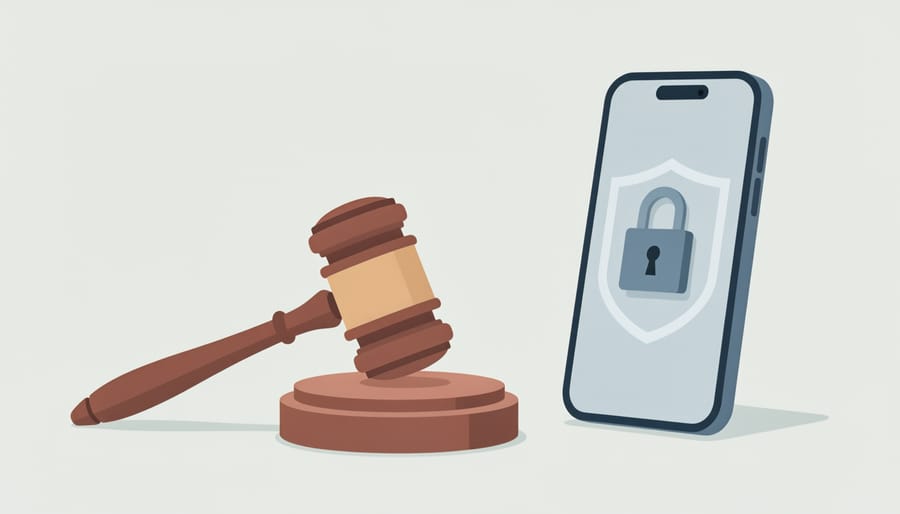
Filing Complaints and Seeking Resolution
When a company fails to protect your data or adequately respond to a security incident, you have concrete pathways for seeking resolution. Start by documenting everything: save screenshots of suspicious communications, note dates and times of unauthorized account access, and preserve any correspondence with the company.
Follow this process to file an effective complaint:
- Contact the company directly through their official customer service or security incident channels, clearly stating the issue and your desired resolution
- Document their response (or lack thereof) and set a reasonable deadline for resolution, typically 30 days
- If unresolved, file a complaint with the Federal Trade Commission at, providing all documentation
- Simultaneously report to your state attorney general’s consumer protection division, which may have additional enforcement powers
- For international companies or EU-based services, file with the relevant data protection authority in your jurisdiction
- Consider reporting to industry-specific regulators (financial services have separate channels through the CFPB or banking regulators)
Keep copies of every complaint filed and any reference numbers provided. Regulatory bodies track patterns of complaints, so your report contributes to broader enforcement actions even if individual resolution takes time. For urgent financial fraud, contact your bank or card issuer immediately to freeze accounts and dispute charges while pursuing regulatory complaints.
Legal Remedies and Compensation Rights
When a company fails to protect your data adequately, you may have legal grounds to seek compensation beyond the initial complaint process. Under laws like GDPR and CCPA, consumers can pursue statutory damages even without proving financial harm, GDPR allows up to €20 million in fines (portions of which may flow to affected individuals), while CCPA permits $100, $750 per incident for unauthorized access.
For data breaches caused by negligence, you can file individual lawsuits claiming actual damages: identity theft costs, fraudulent charges, credit monitoring expenses, and even emotional distress in some jurisdictions. Many breach cases become class actions, allowing you to join collective litigation without upfront legal fees. Notable settlements like Equifax ($425 million) and Capital One ($190 million) demonstrate these mechanisms work, though individual payouts vary.
Your right to compensation strengthens when companies violate specific disclosure duties or fail to implement reasonable security measures. Document all breach-related expenses immediately, receipts for credit freezes, fraud resolution time, and replacement documents strengthen your claim. State attorneys general and the FTC can also pursue penalties on your behalf, creating deterrence that protects all consumers.
Participating in Policy Development
Regulatory agencies like the FTC and CFTC accept public comments when drafting new cybersecurity rules. Submit detailed feedback during these windows, your experiences shape policy. Join advocacy groups such as the Electronic Frontier Foundation or Consumer Reports’ Digital Lab to amplify your voice. Contact your representatives directly about specific security concerns; legislators often lack technical expertise and value constituent input on emerging threats.
Putting Your Rights Into Practice
Exercising your consumer rights in the digital space requires concrete daily habits. Start with the right to safety by enabling two-factor authentication on all critical accounts, using a password manager to create unique credentials for each service, and verifying HTTPS connections before entering sensitive data. When evaluating new online services, review their security certifications and incident history before signing up.
The right to be informed means actually reading privacy policies, at minimum the sections on data collection, sharing, and retention. Set calendar reminders to review your privacy settings quarterly, as companies frequently update their practices. Sign up for breach notification services that alert you when your email appears in data dumps.
Exercise your right to choose by actively using opt-out mechanisms, requesting data deletion from services you no longer use, and migrating to providers with stronger privacy commitments when alternatives exist. Consider investing time to choose training program options that deepen your security knowledge and empower better decisions.
Finally, exercise your right to be heard by filing complaints when companies fail to meet security obligations. Document incidents, report breaches to relevant authorities, and participate in public comment periods when new regulations are proposed. Your individual actions, multiplied across thousands of consumers, drive meaningful change in corporate security practices.
Common Questions About Consumer Rights and Online Security
Common Questions About Consumer Rights and Online Security
When it comes to applying consumer rights to real-world online security situations, confusion often arises around enforcement, scope, and practical recourse. Here are the most common questions professionals and individuals ask about exercising these protections in the digital marketplace.
What can I do if a company refuses to delete my data?
File a formal complaint with your state attorney general’s office or the FTC, documenting your deletion request and the company’s refusal. Under laws like CCPA and similar state privacy statutes, companies face statutory penalties for non-compliance, making regulatory complaints particularly effective.
Do free services have to provide the same security protections as paid ones?
Yes. Consumer rights apply regardless of whether you pay for a service directly. Free platforms funded by advertising or data collection must still implement reasonable security measures, provide transparent privacy policies, and comply with breach notification requirements under applicable laws.
How do I know if a breach notification email is legitimate?
Verify the notification by logging directly into your account through the company’s official website (never through links in the email) to check for security alerts, or contact customer support through verified channels. Legitimate notifications never ask for passwords or payment information and provide specific details about what data was compromised.
Do consumer rights apply when I use international services?
If a company does business in your jurisdiction or targets your market, local consumer protection laws typically apply even if the company is headquartered abroad. GDPR and similar regulations specifically extend protections to residents regardless of where the company operates, though enforcement can be more complex across borders.
Understanding these practical limitations helps you set realistic expectations while exercising your rights. When companies violate consumer protections, your primary recourse involves regulatory complaints rather than immediate court action, though class action opportunities may arise in cases of widespread harm. The most effective approach combines preventive measures that stop phishing leads to breaches with active monitoring of your rights under existing frameworks. Document all interactions with companies regarding your rights, as this evidence becomes valuable if you need to escalate complaints to enforcement agencies or participate in collective legal actions.
Your four consumer rights aren’t abstract legal concepts. They’re your active defense against the growing threats in the digital marketplace. The right to safety demands you scrutinize vendor security practices before sharing data. The right to be informed requires you to actually read those privacy policies and breach notifications. The right to choose means walking away from companies that treat your data carelessly. The right to be heard obliges you to file complaints when businesses fail their security obligations.
These protections only work when you enforce them. Regulations like GDPR and CCPA exist because consumers demanded accountability, but their effectiveness depends on continued vigilance. When you report a phishing scheme, demand transparency about a data breach, or choose a competitor with stronger encryption, you’re not just protecting yourself. You’re raising the security baseline for everyone.
The threat landscape will keep evolving. New attack vectors will emerge, and regulations will adapt. Your role remains constant: stay informed about your rights, exercise them consistently, and hold companies to their legal and ethical obligations. Collective action drives systemic change. Every exercised right strengthens the security ecosystem for all consumers.
Start today. Review the security practices of services you use, update your privacy settings, and know where to file complaints. Your rights are your power.