
Services
Research And Development
Innovation is extremely important when it comes to solving cybersecurity issues and challenges.
Training And Education
We also offer a comprehensive training and education program.
Cyber-Security Consulting
Cyber-security attacks are getting more and more prevalent as the years roll by.
Risk Management Tool
Risk management is one of the things that will give both security professionals and executives the most headaches.
We’re an international cybersecurity firm with a wide range of products and services aimed at government and law-enforcement agencies, organizations, and individuals. We offer research and development, coaching and education, training, operating, and consulting on computer networks, the Internet and cyber system security areas. Our highly-trained and experienced team leverages high-quality intelligence and cybersecurity practices, tools, strategies, and technologies to help both beginners and experts alike solve cyber issues, expand their knowledge, and build capabilities.
Our Blog

12 Foolproof Ways to Enhance the Security of Your Online Slots Website
In the digital age, ensuring the security of online platforms is a key priority that website owners should take note of. This is especially true when it comes to websites hosting online slots. After all, these platforms handle a significant amount of sensitive user data and financial transactions daily. For avid gamers seeking entertainment and profit, exploring platforms offering high RTP slots is a prudent choice for maximizing the gaming experience.
As such, maintaining robust security measures is not just an …

8 Precautions to Take When Purchasing CBD Online
The cannabidiol trend has gripped the market, and it has been marketed as a magical potion and remedy that everybody wants to try. The only issue is that this surge has resulted in the production of bogus cannabidiol products. Taking fake cannabidiol products might harm you. If you want to buy real CBD-based products, be cautious about where you purchase them. For those seeking alternatives, exploring a THCA cartridge could offer a different cannabinoid experience.
Purchasing cannabidiol online could be risky because you could end up with the wrong variety, of items, phony products, or …
15 Tips to Ensure Your Online Vape Shop’s Security
Online vape shops are a booming business in the bustling digital marketplace. Like any online retail outlet, security is paramount not just for the business owners but also for the customers who trust them with their personal and financial information.
Emixologies recommends implementing robust encryption protocols and regular security audits to safeguard sensitive data, fostering a trustworthy and secure environment for both sellers and buyers.
Hence, if you own an online vape shop yourself, here are 10 effective tips that will help you keep your business secure:
Choose a …

How to Protect Your Business From Cyber Attacks in the Cannabis Industry
Cannabis cybersecurity is a growing concern among many businesses. While this could be due to the success of the cbd flower industry and its popularity, it also shows that even longstanding traditions can have vulnerabilities. Here’s how you can guard against cannabis cyber attack risks:
Educate Employees on Cyber Security
If you are a business owner, it is important to educate your employees regarding cyber security. This will help them learn how to protect themselves and their data in the event of a security or data breach. Cyber attacks can happen at any time, …
What Is Phishing?
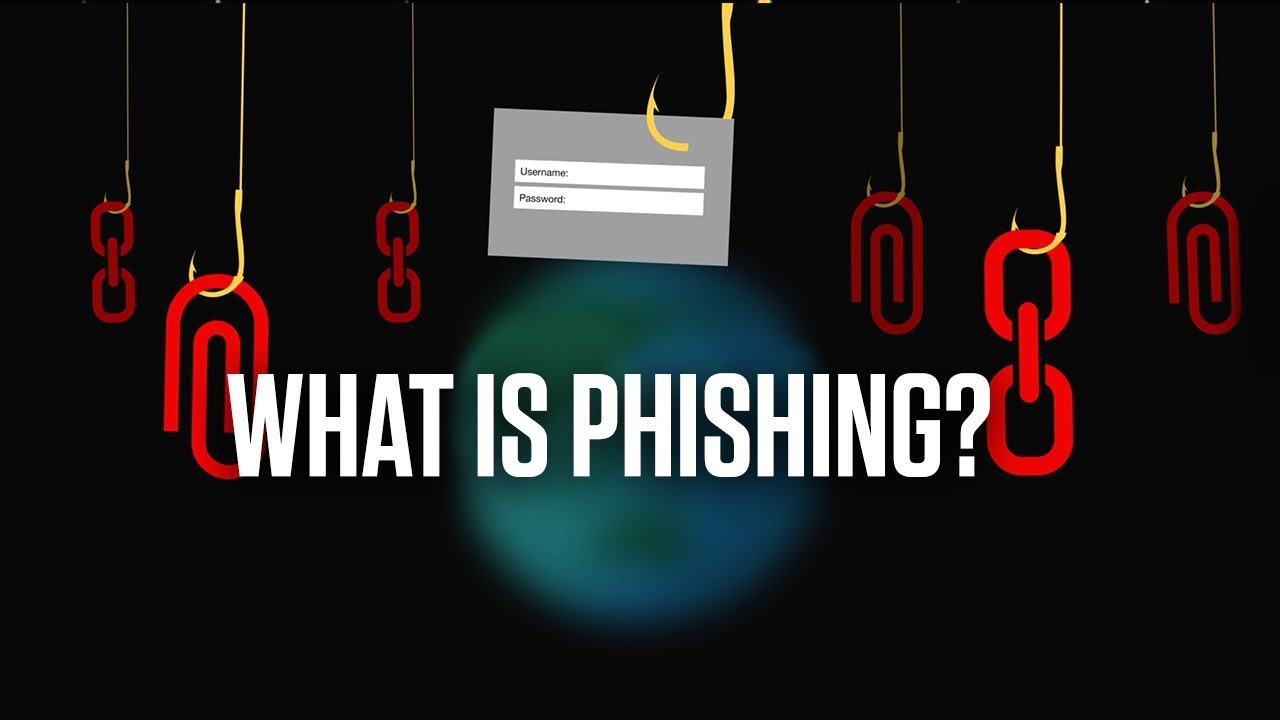
Phishing attacks are basically when an individual with ill-intent sends you emails that appear to be from people or companies you know. These can happen within everyday households. Oftentimes, the email’s text will be warning you of a problem that needs to be fixed and it will provide you with a link on how to do so.
Clicking on the said link will then transport you to an official-looking website of the company that supposedly sent the email. Everything will appear very authentic, however, it’s not. You’ll be requested to give your password and username so you can settle the problem. But, the information you give the said …

Does Your SMB Really Need Cyber-Security
You’ve probably heard about those cyberattacks big companies such as eBay, Yahoo, JP Morgan Chase, Target Stores, Adobe, Sony Pictures. Even the big boys suffer from attacks sometimes, yes? Many SMBs operate with the mindset that they have no value to attackers because they are small. They often have that mentality of, “What would they want from a small outfit like mine?”.
However, you’d probably never leave your business’ doors open after closing hours, would you? When you don’t take cyber-security measures, you’re essentially leaving the doors to your data open.
If you believe your business can’t be attacked…